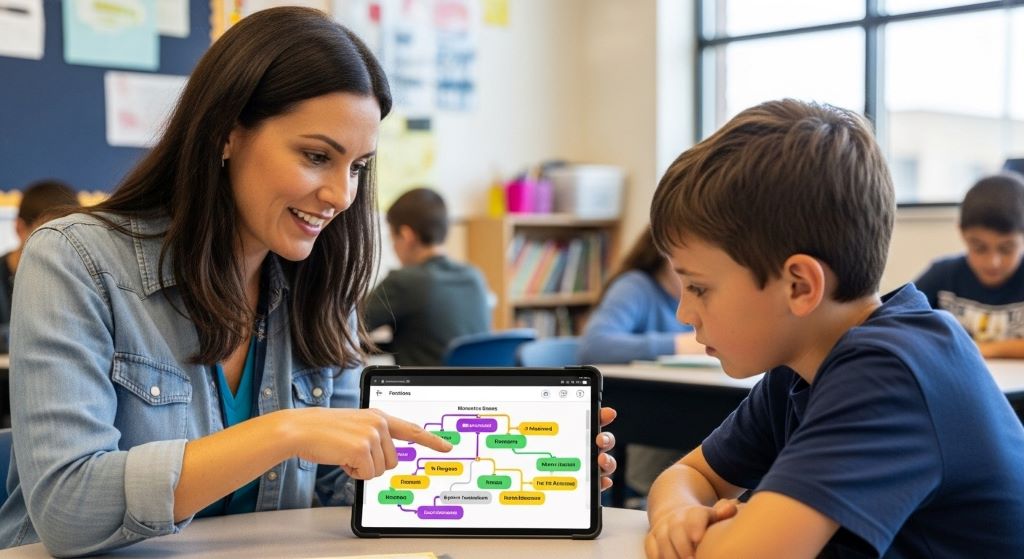
Education systems worldwide are rethinking how students advance through curriculum. Mastery-based progression ensures students truly understand material before moving forward. This approach contrasts sharply with traditional time-based models that push everyone ahead together.
Schools adopting mastery-based systems see remarkable improvements in student learning outcomes. However, implementing this model requires careful planning and institutional transformation. This comprehensive guide walks educators through practical steps for successful mastery-based progression implementation.
What Mastery-Based Progression Means for Schools
Mastery-based progression fundamentally changes how schools measure student advancement. Students demonstrate complete understanding of concepts before proceeding to new material. Therefore, learning becomes the constant while time becomes the variable factor.
Traditional education uses time as the measuring stick. Students spend specific weeks on topics regardless of comprehension levels. Mastery-based models flip this approach entirely.
Students work at individual paces suited to their learning needs. Some master concepts quickly and advance rapidly. Others need additional time and support to achieve proficiency. Additionally, this prevents students from accumulating knowledge gaps that create future struggles.
Assessment happens continuously rather than just at unit endings. Teachers constantly evaluate understanding through varied methods. Moreover, students receive immediate feedback guiding their learning journey.
Defining Clear Learning Competencies and Standards
Implementation begins with precisely articulated learning competencies. Each competency must specify exactly what students should know and demonstrate. Vague objectives like “understand photosynthesis” become specific targets like “explain the process of photosynthesis and identify inputs and outputs.”
Break subjects into discrete, measurable skills. Mathematics naturally divides into specific competencies like solving linear equations or calculating percentages. Language arts requires more thoughtful division into reading comprehension skills, writing techniques, and grammar rules.
Ensure competencies build logically upon each other. Students should master foundational skills before attempting advanced concepts. Additionally, create competency maps showing prerequisite relationships and learning pathways.
Align all competencies with state standards and curriculum requirements. Mastery-based progression shouldn’t abandon mandated learning objectives. However, the delivery method and assessment approach differ significantly from traditional teaching.
Develop detailed rubrics for each competency level. Students need clear criteria distinguishing emerging understanding from proficiency and mastery. Furthermore, transparent rubrics enable students to self-assess and understand improvement areas.
Creating Flexible Learning Environments and Schedules
Traditional classroom structures often conflict with mastery-based progression. Fixed class periods and rigid schedules limit individualized pacing. Therefore, schools must redesign physical and temporal learning environments.
Consider implementing extended block scheduling. Longer class periods allow students to work at their own pace while teachers provide targeted support. Moreover, blocks accommodate both direct instruction and independent practice time.
Develop competency-based course modules students can access anytime. Digital platforms enable this flexibility by housing materials, activities, and assessments online. Additionally, blended learning combines face-to-face teaching with self-paced digital work.
Some schools create learning labs where students work independently on competencies. Teachers rotate through providing individual and small-group instruction as needed. Furthermore, this model maximizes personalized attention while maintaining progress flexibility.
Multi-age grouping organizes students by competency rather than birth year. This approach allows students to work alongside others at similar skill levels. However, schools must educate parents about benefits of non-traditional age grouping.
Building Comprehensive Assessment Systems
Mastery-based progression demands robust assessment replacing traditional testing. Students must demonstrate competency through multiple methods and contexts. Therefore, assessment becomes ongoing rather than episodic.
Formative assessments provide continuous feedback during learning. Quick checks, exit tickets, and practice problems reveal understanding gaps immediately. Additionally, this data informs instructional adjustments and intervention timing.
Summative assessments verify that students have achieved mastery. These evaluations should require applying knowledge in authentic situations. Moreover, students must consistently demonstrate proficiency, not just succeed once by chance.
Create multiple equivalent assessment versions for each competency. Students needing additional attempts require fresh problems testing identical skills. Furthermore, varied assessments prevent simple memorization while ensuring genuine understanding.
Performance-based assessments evaluate complex skills traditional tests cannot measure. Projects, presentations, and portfolios show applied understanding. However, clear rubrics ensure objective evaluation of these subjective demonstrations.
According to EdSurge, effective mastery-based assessment focuses on demonstrating proficiency through multiple measures rather than relying on single test scores.
Establishing Personalized Learning Pathways
Mastery-based systems enable authentic personalization. Students follow individual routes through content based on their strengths and needs. Therefore, differentiation becomes systematic rather than occasional.
Learning management systems organize content into self-paced modules. Students access instructional materials, complete activities, and submit assessments independently. Additionally, these platforms provide dashboards showing competency completion progress.
Develop intervention protocols for students struggling with specific competencies. Additional instruction using different approaches helps students grasp difficult concepts. Moreover, peer tutoring and collaborative learning provide alternative explanation sources.
Create enrichment opportunities for students who master competencies quickly. Extension activities deepen understanding through complex applications and cross-curricular connections. Consequently, advanced learners remain engaged rather than becoming bored.
Teachers transition from information deliverers to learning facilitators. Instead of whole-class lectures, educators provide targeted support to individuals and small groups. Furthermore, teacher time focuses on students needing help rather than those already proficient.

Preparing Teachers Through Professional Development
Successful implementation requires comprehensive teacher training. Educators trained in traditional methods need new skills for mastery-based facilitation. Therefore, ongoing professional development proves absolutely essential.
Provide workshops explaining mastery-based philosophy and research foundations. Teachers must understand why this approach improves learning outcomes. Additionally, training should cover practical implementation strategies and classroom management techniques.
Classroom dynamics change dramatically in mastery-based environments. Teachers manage students working on different competencies simultaneously. Moreover, new organizational systems track individual progress across multiple learning pathways.
Establish mentorship programs pairing experienced practitioners with teachers new to mastery-based methods. Observation opportunities demonstrate implementation in action. Furthermore, regular collaboration allows sharing effective strategies and troubleshooting challenges.
Allocate dedicated time for developing mastery-based materials. Creating competency modules, assessments, and rubrics requires substantial effort. However, collaborative development and shared resource libraries reduce individual workload.
Support teachers emotionally through this significant change. Expect frustration and setbacks during the transition period. Additionally, celebrate small successes and acknowledge that perfection takes time.
Integrating Technology for Scalable Implementation
Digital tools make mastery-based progression feasible at scale. Learning management systems organize content, track progress, and deliver assessments efficiently. Therefore, technology becomes essential infrastructure rather than optional enhancement.
Adaptive learning platforms adjust difficulty based on student performance. These systems identify knowledge gaps and provide targeted practice automatically. Additionally, immediate feedback helps students correct misunderstandings quickly.
Video instruction allows students to learn at individual paces. Recorded lessons can be paused, rewound, and reviewed repeatedly. Moreover, flipped classroom models free class time for application and personalized support.
Data dashboards provide real-time progress monitoring for teachers and administrators. Educators see exactly which competencies each student has mastered and current struggle areas. Furthermore, school leaders track implementation effectiveness across classrooms.
Digital portfolios showcase student work demonstrating competency achievement. These collections provide authentic evidence of learning beyond test scores. However, ensure technology enhances rather than replaces meaningful teacher-student relationships.
Engaging Parents and Community Stakeholders
Parents accustomed to traditional letter grades need education about mastery-based systems. Report cards showing competency levels rather than A-F grades initially confuse families. Therefore, proactive communication prevents misunderstanding and resistance.
Host community information sessions before implementation begins. Explain mastery-based philosophy using concrete examples and research evidence. Additionally, address common concerns about college readiness and standardized testing preparation.
Provide regular progress updates beyond traditional quarterly report cards. Digital platforms enable parents to monitor real-time competency achievement. Moreover, narrative feedback explains what students have mastered and current learning goals.
Create parent resources explaining how to support mastery-based learning at home. Families need guidance on encouraging persistence and celebrating growth mindset. Furthermore, help parents understand that struggle indicates learning rather than failure.
Some families worry about students progressing at noticeably different rates. Address concerns about social-emotional impacts and peer relationships. However, emphasize that mastery-based learning mirrors real-world expectations where competency matters more than time served.
According to NPR, successful schools invest heavily in parent communication and provide detailed explanations of how competency-based systems prepare students for future success.
Navigating Grading and Transcript Complications
Mastery-based progression complicates traditional grade levels and transcript requirements. Students mastering content at varying rates don’t fit neatly into grade categories. Therefore, schools need creative administrative solutions.
Some institutions maintain grade levels organizationally while allowing competency-based subject advancement. A seventh-grader might work at ninth-grade level in science while at grade level elsewhere. Additionally, this approach minimizes social disruption.
Develop transcript translation systems for college applications. Convert competency achievement into traditional credits and grade point averages. Moreover, include detailed competency records showing depth and breadth of learning.
Create clear policies about credit earning and graduation requirements. Students must master all competencies within subjects before earning credit. Furthermore, graduation requires demonstrating proficiency across all required domains.
Consider competency-based diplomas listing specific mastered skills alongside traditional credits. These documents provide colleges and employers with detailed achievement information. However, ensure full compliance with state graduation requirements.
Implementing in Phases for Sustainable Change
Attempting immediate whole-school implementation often fails. Gradual, phased adoption allows learning from experience and building support. Therefore, start small and expand systematically.
Begin with pilot programs in willing classrooms or single grade levels. Demonstrable success builds support for broader implementation. Additionally, early adopters become champions sharing experiences and strategies.
Expect initial productivity decreases as teachers learn new systems. Support staff through transition periods with patience and resources. Moreover, celebrate incremental progress rather than expecting immediate perfection.
Address scheduling and resource allocation challenges creatively. Flexible progression requires different staffing patterns and space usage than traditional models. Furthermore, budgets may need reallocation toward technology and professional development.
Monitor implementation closely using clear success metrics. Track student mastery rates, engagement levels, and learning growth. However, recognize that meaningful change takes three to five years.
Overcoming Common Implementation Obstacles
Resistance from stakeholders accustomed to traditional systems creates significant obstacles. Some teachers, parents, and administrators fear change. Therefore, change management strategies prove crucial for success.
Address teacher concerns about increased workload honestly. Acknowledge that initial implementation requires extra effort. However, emphasize that systems eventually streamline with experience and shared resources.
Combat student gaming of the system with well-designed assessments. Some students might attempt minimal effort to pass competency checks. Moreover, ensure mastery truly requires deep understanding, not surface-level knowledge.
Manage students frustrated by not advancing as quickly as peers. Emphasize individual growth and personal progress over comparison. Additionally, provide appropriate support accelerating their learning.
Secure adequate funding for technology, professional development, and materials. Mastery-based implementation requires investment. Furthermore, communicate resource needs clearly to district leadership and school boards.
Conclusion
Implementing mastery-based progression transforms education by prioritizing genuine learning over time-based advancement. Success requires defining clear competencies, creating flexible environments, building comprehensive assessments, and establishing personalized pathways. Additionally, teacher preparation, technology integration, and stakeholder engagement prove essential. Therefore, schools must approach implementation systematically through phased adoption while maintaining long-term commitment. The challenges are significant but surmountable with proper planning and support. Consequently, mastery-based systems ensure all students achieve true competency, preparing them for college, careers, and lifelong learning far more effectively than traditional approaches.
Frequently Asked Questions
What is the difference between mastery-based and traditional education?
Traditional education advances all students together based on time spent in class, while mastery-based progression requires demonstrating proficiency before advancing. Students progress at individual paces in mastery systems. Additionally, assessment happens continuously rather than just periodically through tests.
How long does full implementation of mastery-based progression take?
Complete implementation typically requires three to five years. Schools usually begin with pilot programs in select classrooms before expanding. However, initial changes in assessment approaches and competency definition can begin within the first academic year of commitment.
Can mastery-based progression work in all subject areas?
Yes, mastery-based progression applies across all subjects and grade levels. Mathematics transitions most naturally due to sequential skill progression. However, language arts, sciences, and social studies also implement successfully with thoughtful competency definition and appropriate assessments.
How do colleges view transcripts from mastery-based schools?
Many colleges increasingly value detailed competency-based transcripts showing specific skill mastery. Schools must provide clear competency explanations and traditional credit equivalents. Additionally, detailed documentation often impresses admissions officers by demonstrating learning depth beyond standard grades.
What happens when students struggle to master certain competencies?
Students receive continued support through intervention, tutoring, and alternative instructional approaches until achieving mastery. Schools provide multiple assessment opportunities using different formats. However, maintaining proficiency standards ensures academic integrity while supporting all learners toward success.
Related Topics:
Which Type of Course is Best for Business?