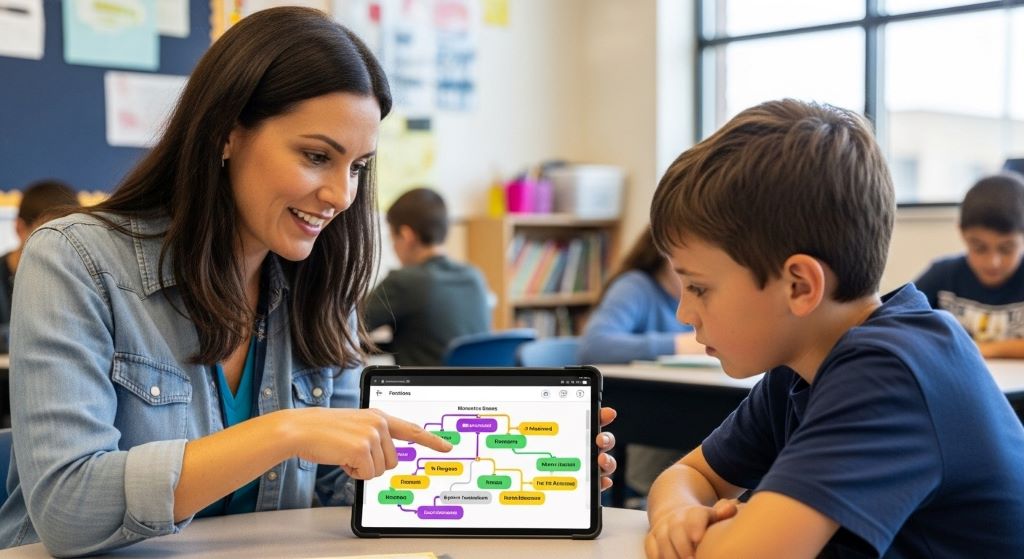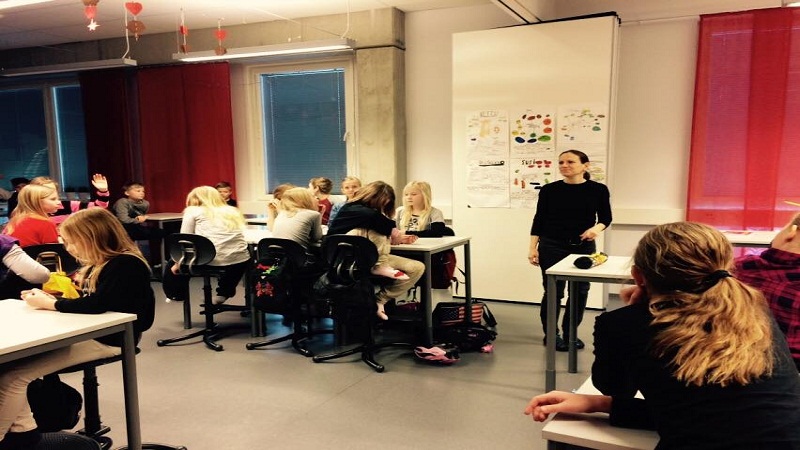
Recognizing special educational needs early can make a significant difference in a child’s learning journey. Many parents and teachers notice subtle differences in how children learn and behave during their primary school years. Understanding these early signs helps families access the right support quickly.
Special educational needs, often called SEN, affect how children learn and process information. These needs can range from mild learning difficulties to more complex challenges. Therefore, identifying them early ensures children receive appropriate interventions during their formative years.
Understanding Special Educational Needs
Special educational needs describe a range of learning difficulties and disabilities that affect how children engage with education. Some children need extra help with reading and writing. Others might struggle with social interactions or physical coordination. Additionally, some children face challenges with communication or behavior management.
The term covers various conditions. These include dyslexia, autism spectrum disorder, attention deficit hyperactivity disorder, and speech and language difficulties. However, every child with SEN is unique. Their needs and strengths vary considerably from one individual to another.
Common Early Warning Signs
Parents and teachers often notice the first signs of special educational needs during the early primary years. Children develop at different rates. However, certain patterns may indicate a child needs additional support.
Academic Difficulties
Children with SEN often show struggles in specific academic areas. A child might find reading particularly challenging despite regular practice at home. They may reverse letters frequently or struggle to remember sight words. Writing tasks can take much longer than expected. Additionally, spelling the same word correctly one day and incorrectly the next is common.
Mathematics presents its own challenges. Some children cannot grasp basic number concepts despite repeated teaching. They might struggle with sequences, patterns, or understanding what numbers represent. Word problems become especially difficult because they require both reading comprehension and mathematical reasoning.
Communication and Language Challenges
Language development offers important clues about potential special educational needs. Some children speak less clearly than their peers. They might use simpler sentences or have trouble finding the right words. Following multi-step instructions becomes confusing for them.
Listening skills also reveal difficulties. A child might seem not to hear instructions despite having normal hearing. They may ask for repetition frequently or misunderstand what others say. Therefore, teachers often notice these children appearing confused during group discussions or whole-class teaching.
Social and Emotional Indicators
Social interactions can highlight special educational needs. Some children struggle to make friends or maintain friendships. They might not understand social cues like body language or facial expressions. Playing cooperatively with others proves challenging.
Emotional regulation presents another area of concern. Children might have frequent meltdowns that seem disproportionate to the situation. They can become easily frustrated with tasks their peers complete successfully. Additionally, they might show extreme reactions to changes in routine or unexpected events.
Behavioral Patterns
Certain behaviors signal potential special educational needs. A child might have difficulty sitting still during lessons. They fidget constantly or leave their seat without permission. Concentration spans appear much shorter than those of classmates.
Conversely, some children seem withdrawn or excessively quiet. They avoid participation in class activities or rarely volunteer answers. Transitions between activities cause significant distress. Moreover, these children might engage in repetitive behaviors or develop rigid routines they resist changing.
Physical and Motor Skills
Fine and gross motor skills development also indicates potential needs. Some children struggle with handwriting despite practice. They hold pencils awkwardly or press too hard on paper. Cutting with scissors, buttoning clothes, or tying shoelaces remains difficult.
Gross motor challenges include clumsiness or poor coordination. These children might bump into things frequently or struggle with PE activities. Balance and spatial awareness appear underdeveloped compared to peers. According to the National Health Service, these signs may indicate developmental coordination disorder.
Specific Learning Differences
Understanding specific conditions helps identify early signs more accurately. Each presents distinct characteristics during primary school years.
Dyslexia
Dyslexia affects reading and spelling abilities. Children might confuse similar-looking letters like b and d. They often lose their place when reading aloud. Sounding out unfamiliar words proves extremely difficult. Additionally, reading fluency remains poor despite intelligence and effort.
Autism Spectrum Disorder
Autism affects social communication and behavior. Children might avoid eye contact or prefer playing alone. They often develop intense interests in specific topics. Changes to routine cause significant anxiety. Sensory sensitivities to lights, sounds, or textures are common.
ADHD
Attention deficit hyperactivity disorder shows through inattention, hyperactivity, or both. Children struggle to focus on tasks or follow through on instructions. They act impulsively without thinking about consequences. Waiting their turn proves nearly impossible. Furthermore, they seem constantly on the go.
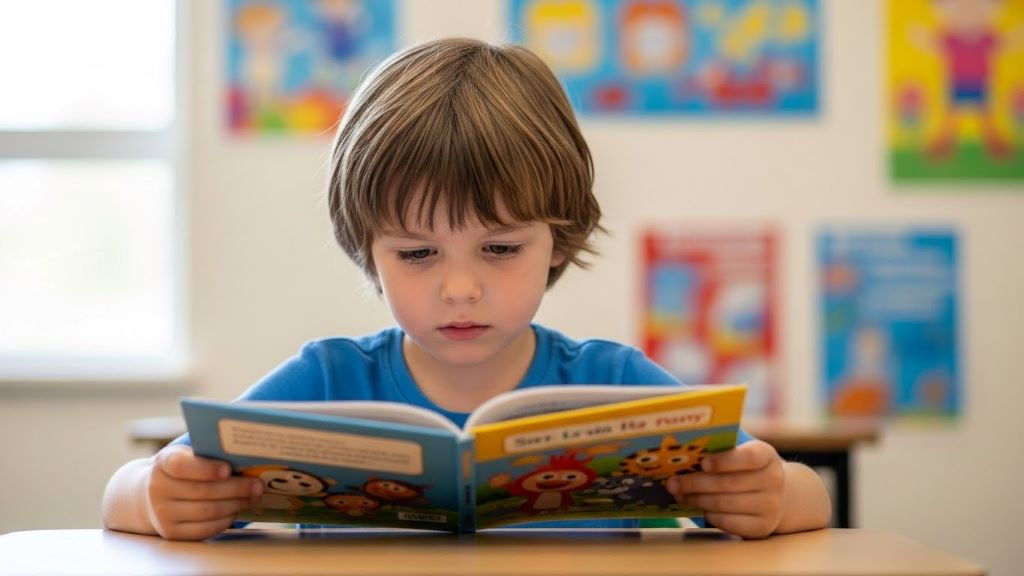
Speech and Language Difficulties
These affect how children communicate. Some struggle to form sounds correctly or speak fluently. Others understand language but cannot express themselves clearly. Following conversations or instructions becomes challenging. The American Speech-Language-Hearing Association provides comprehensive resources about these challenges.
When to Seek Assessment
Recognizing when concerns warrant professional assessment requires careful consideration. Occasional struggles are normal parts of childhood development. However, persistent difficulties across multiple settings suggest potential special educational needs.
Parents should consider assessment if difficulties continue despite additional support at home. Teachers typically raise concerns when a child falls significantly behind peers despite quality teaching. Multiple adults noticing similar challenges strengthens the case for evaluation.
Early assessment benefits children significantly. It identifies specific needs and informs targeted interventions. Therefore, parents should not adopt a wait-and-see approach when concerns arise. Schools can initiate assessments or parents can request them independently through healthcare providers.
Supporting Children with SEN
Early identification leads to early intervention, which improves outcomes substantially. Schools provide various support levels depending on needs. Some children benefit from small adjustments in the classroom. Others require more specialized teaching or therapy.
Parents play crucial roles in supporting their children. Maintaining open communication with schools ensures consistency between home and school strategies. Celebrating strengths alongside addressing challenges builds children’s confidence and resilience.
Creating supportive home environments makes tremendous differences. This includes establishing clear routines, breaking tasks into manageable steps, and providing appropriate praise and encouragement. Additionally, focusing on effort rather than outcomes helps children develop growth mindsets.
Conclusion
Identifying early signs of special educational needs during primary school opens doors to appropriate support and intervention. Academic struggles, communication difficulties, social challenges, behavioral patterns, and motor skill delays all provide important clues. Conditions like dyslexia, autism, ADHD, and speech difficulties present distinct characteristics that careful observation can detect.
Parents and teachers working together create the best outcomes for children. Early assessment leads to targeted support that helps children reach their full potential. Therefore, addressing concerns promptly rather than waiting demonstrates commitment to children’s educational success. Every child deserves the opportunity to thrive, and recognizing special educational needs early makes this possible.
Frequently Asked Questions
What is the difference between learning difficulties and special educational needs?
Learning difficulties represent one category within special educational needs. SEN is the broader term encompassing learning difficulties, physical disabilities, sensory impairments, communication challenges, and social-emotional difficulties. Learning difficulties specifically affect how children process and retain academic information.
At what age should I be concerned about my child’s development?
Concerns can arise at any age, but the primary school years between ages 5 and 11 often reveal learning differences. If your child consistently struggles compared to peers despite support, or if multiple adults express concerns, seeking professional guidance is appropriate. Early intervention yields better outcomes regardless of age.
Can children outgrow special educational needs?
Some children show significant improvement with intervention and may no longer require support. However, many conditions are lifelong, though their impact can lessen with appropriate strategies and accommodations. The goal is helping children develop skills and coping mechanisms to manage their needs successfully.
How do I request an assessment for my child?
Start by discussing concerns with your child’s teacher or school special educational needs coordinator. Schools can conduct initial assessments and refer for specialist evaluation if needed. Parents can also contact their family doctor or pediatrician to request referrals for independent assessments through healthcare services.
Will a special educational needs diagnosis negatively label my child?
A diagnosis provides understanding rather than a label. It opens access to appropriate support, accommodations, and resources that help children succeed. Many successful adults have special educational needs. Early identification and support typically lead to better self-understanding and improved outcomes throughout life.
Related Topics:
Which Type of Course is Best for Business?