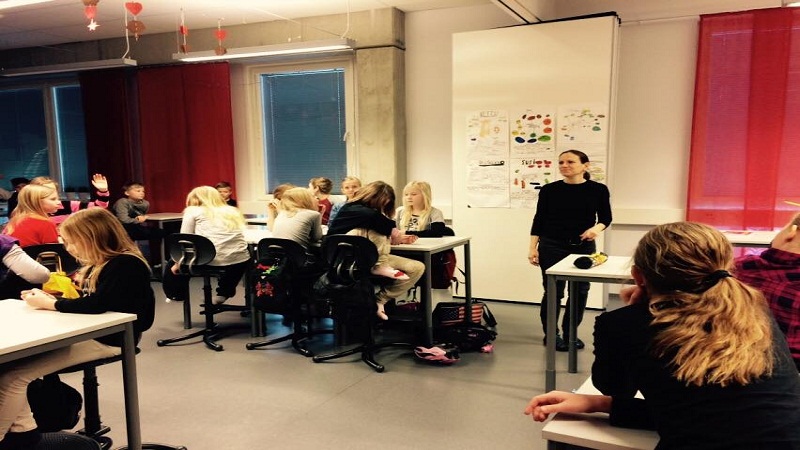
Educational architecture is evolving rapidly to reflect shifts in how we perceive learning, childhood, and well-being.
Gone are the days of rigid, institutional school buildings that are uninspiring and not conducive to learning. Today’s school design is more aligned with students’ needs.
A focus on flexible, multipurpose learning spaces
Schools are increasingly moving away from the fixed classroom model toward open, adaptable spaces that support different teaching styles and are multifunctional.
Architects are designing modular walls, movable furniture, and zones that can be reconfigured for collaboration, individual study, or group projects.
Child-centred design
Sensory-rich, child-scale environments that promote exploration, comfort, and creativity are another way in which education architecture is changing.
An education architect from a firm such as quattrodesign.co.uk/sectors/school-education-architects/ can offer guidance on how to create these environments through building design.
Schools are also being redesigned to feel more like homes or small communities rather than institutional blocks. This makes them more likely to appeal to children and create a sense of safety.
Incorporating biophilic design
Biophilic architecture incorporates natural elements, materials, and patterns. Many education architects are using these principles by incorporating courtyard gardens, large windows, and green corridors to support students’ emotional and cognitive well-being. This helps to reduce stress and improve focus.
Integration of technology
Technology integration also plays a major role in education architecture. School buildings are being purpose-built to support devices, high-speed internet, interactive displays, and charging stations, ensuring the infrastructure keeps up with digital learning needs.
Overall, education architecture is moving in a positive direction, designed to aid children in learning.